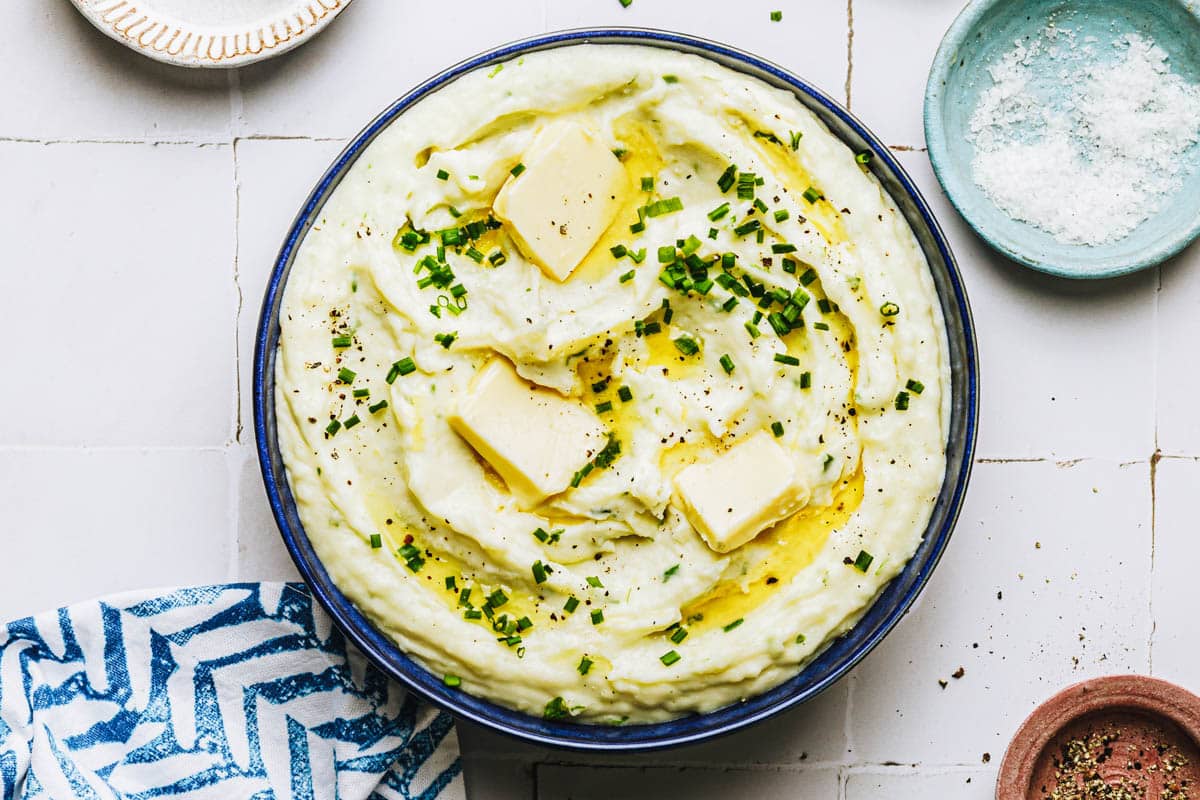
Unlock the Secret to Tangy, Creamy Sour Cream Mashed Potatoes
There’s a universal comfort found in a bowl of perfectly mashed potatoes. But what if we told you there’s a way to elevate this beloved side dish to an entirely new level of deliciousness? Forget bland, one-dimensional mash. We’re talking about a rich, creamy, and undeniably tangy experience that will revolutionize your dinner table:
sour cream mashed potatoes. This isn't just another mashed potato recipe; it's a culinary revelation, often passed down through generations, that adds a depth and richness you simply can't achieve with a plain version.
The magic lies in a subtle yet powerful ingredient: sour cream. It introduces a delightful touch of tanginess that brightens the overall flavor profile, cutting through the richness and making each bite incredibly moreish. Coupled with a luxurious creaminess and the comforting texture of perfectly cooked potatoes, this dish becomes more than just a side – it becomes a star in its own right. It’s a family-approved recipe that transforms everyday meals into something special, proving that sometimes, the simplest additions make the biggest difference.
The Irresistible Allure of Sour Cream Mashed Potatoes
What exactly makes
sour cream mashed potatoes so utterly captivating? It’s a symphony of textures and flavors. The sour cream contributes a unique, slightly tart note that provides an exciting contrast to the earthy sweetness of the potatoes. This delicate tang is what truly sets this dish apart, preventing it from being overly heavy and instead offering a vibrant, balanced profile. Beyond flavor, the sour cream significantly boosts the creaminess, creating a lush, smooth consistency that melts in your mouth.
Many classic mashed potato recipes rely heavily on butter and milk for richness. While delicious, our preferred method forges a slightly different path. By incorporating high-quality sour cream, we often find ourselves needing less butter, maintaining that luxurious mouthfeel without excessive fat. An ingenious trick involves utilizing a small amount of the starchy water from cooking the potatoes. Just like adding pasta water to sauce, this starchy liquid helps bind the ingredients, enhancing creaminess and thickness without adding extra calories or diluting the flavor. This clever technique ensures your mash is perfectly smooth and velvety, a testament to thoughtful cooking. For a deeper dive into perfecting this dish and avoiding common pitfalls, you might find valuable insights in our article on
Master Creamy Sour Cream Mashed Potatoes: Avoid Common Mistakes.
Beyond the undeniable flavor, there's a lesser-known benefit to using cultured sour cream: it's a probiotic food. While not the primary reason to enjoy this dish, it's a pleasant bonus to know you're getting a few beneficial bacteria along the way. This dish is surprisingly robust and forgiving, making it a fantastic choice for both novice and experienced cooks alike. Its reliability is part of its charm – it's pretty hard to mess up, provided you avoid a couple of common traps, which we'll discuss shortly.
Building the Perfect Mash: Potato Selection and Preparation
The foundation of any great mashed potato dish begins with the right potato. For the ultimate fluffy and light
sour cream mashed potatoes, your best allies are
high-starch potatoes.
*
Russet Potatoes: These are often considered the gold standard for mashing. Their high starch content breaks down beautifully during cooking, allowing them to absorb dairy and liquids readily, resulting in that coveted light and fluffy texture.
*
Yukon Gold Potatoes: While slightly less starchy than Russets, Yukon Golds still offer a wonderful mash. They tend to yield a denser, creamier texture and boast a naturally buttery flavor, making them an excellent choice if you prefer a slightly richer, more substantial mash.
Conversely, steer clear of
waxy potatoes like fingerlings or new potatoes. Their low starch content means they don't break down as easily and struggle to absorb added liquids, often resulting in a gummy or gluey, undesirable texture.
Once you've chosen your spuds, proper preparation is key. Cut your potatoes into even-sized chunks, roughly 1-2 inches. This ensures they cook at the same rate, preventing some pieces from becoming overcooked and waterlogged while others remain firm. Place the cut potatoes in a large pot and cover them with
cold water. Starting with cold water allows the potatoes to heat up gradually with the water, promoting even cooking from the outside in. If you start with hot water, the exterior can cook too quickly and turn mushy before the interior is tender.
Finally, don’t underestimate the power of salting your cooking water. This is crucial for seasoning the potatoes from the inside out. We highly recommend using sea salt – varieties like Celtic sea salt or pink Himalayan salt are less processed than table salt, often lend a superior flavor, and contain beneficial trace minerals. The finer the salt flakes, the less you’ll need to achieve the desired seasoning. Bring the pot to a boil, then reduce heat and simmer until the potatoes are fork-tender.
The Art of Mashing: Achieving Unrivaled Creaminess
Once your potatoes are perfectly cooked, the next phase is critical to achieving that ideal creamy texture for your
sour cream mashed potatoes.
1.
Drain Thoroughly: This is perhaps the most crucial step to avoid watery mashed potatoes. Drain your cooked potatoes completely in a colander. For an extra measure, return the drained potatoes to the empty hot pot (off the burner) for a minute or two. The residual heat will help evaporate any remaining surface moisture, preventing a diluted mash.
2.
Keep Them Warm: Mashing warm potatoes is significantly easier and yields a smoother result. The residual heat in the pot will help keep them pliable.
3.
The Right Tools: Ditch the food processor or blender! While tempting for speed, these tools over-process the starch molecules in potatoes, leading to a dreaded glue-like, gummy texture. Instead, opt for a potato ricer, a sturdy potato masher, or even a simple fork. A ricer is often lauded for producing the lightest, fluffiest mash as it separates the potato cells gently.
4.
Add Your Creamy Elements: Now for the star – the sour cream! Combine your sour cream with a little milk or cream, a pat of butter (if desired, remember we’re often using less here), and a few tablespoons of that reserved starchy potato water. Begin by adding a conservative amount of liquid. It’s always easier to add more than to try and salvage an overly wet mash. Gradually incorporate these ingredients into the hot potatoes.
5.
Mash Gently, Don't Over-Mash: The goal is a smooth consistency. Mash until the lumps are gone and the mixture is creamy. As soon as you reach this point, stop. Over-mashing can rupture too many starch cells, leading to that undesirable sticky, gluey texture we’re trying to avoid.
6.
Taste and Season: Season generously with salt and freshly cracked black pepper. This is your chance to adjust the flavor profile. Don't be shy – properly seasoned mashed potatoes are a game-changer. For additional insights on why this particular side dish shines, explore our article on
Elevate Your Side Dish: Why Sour Cream Mashed Potatoes Shine.
Serving Suggestions and Beyond
Sour cream mashed potatoes are incredibly versatile and pair beautifully with a wide array of main courses. Imagine them alongside a juicy grilled steak, hearty sausages, tender chicken rissoles, or as the perfect accompaniment to a rich beef and mushroom stew. They also provide a comforting base for roasted chicken or pork tenderloin.
Don't be afraid to experiment with garnishes to add both visual appeal and an extra layer of flavor. Freshly chopped chives, parsley, or dill are excellent choices. A sprinkle of paprika, a swirl of melted butter, or a dash of black pepper can also enhance the presentation and taste.
For leftovers, these mashed potatoes reheat wonderfully. While the slow cooker is great for keeping them warm, for reheating, gently warm them on the stovetop over low heat, adding a splash of milk or cream to restore their original creaminess if they’ve thickened too much.
Conclusion
The journey to crafting the perfect batch of
sour cream mashed potatoes is a rewarding one. From selecting the right potatoes and mastering the cooking process to understanding the magic of sour cream and preventing common pitfalls, each step contributes to a dish that is far more than just a side. It’s a testament to the power of simple, high-quality ingredients and thoughtful technique, transforming humble potatoes into a truly unforgettable culinary experience. So go ahead, unlock the secret, and bring this wonderfully tangy, rich, and creamy comfort food to your table. Your taste buds, and your guests, will thank you.