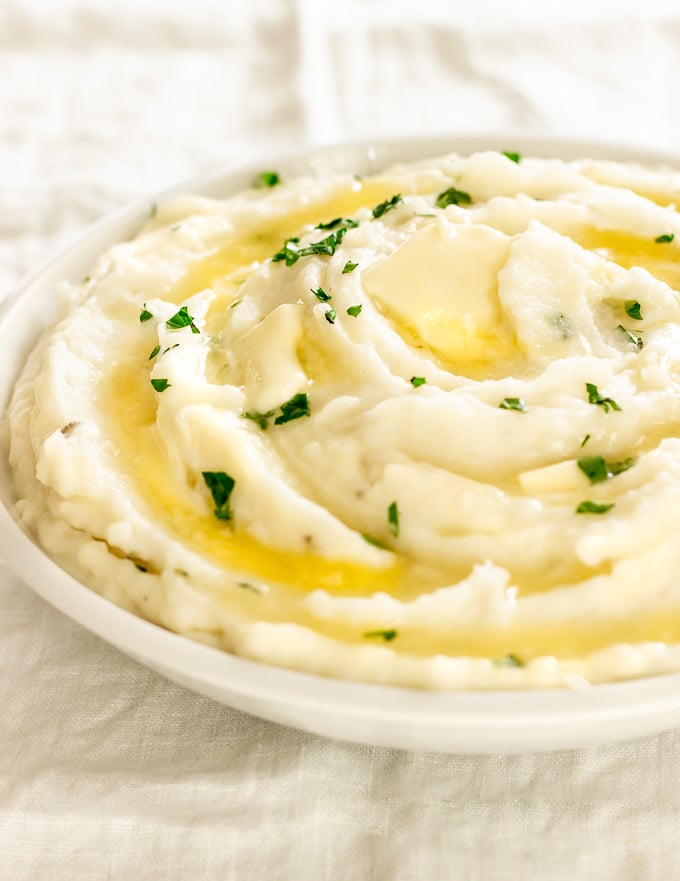
The Undeniable Charm of Sour Cream Mashed Potatoes
There’s a reason certain dishes become family legends, passed down through generations. For many,
sour cream mashed potatoes stand as a testament to comfort, flavor, and culinary genius. This isn't just another side dish; it's an experience – a creamy, rich, and wonderfully tangy accompaniment that elevates any meal. Unlike their plain counterparts, these mashed potatoes boast a depth of flavor and a glorious creaminess that's truly unmatched, making them a staple at dinner tables and holiday feasts alike. The slight tang from the sour cream cuts through the richness, creating a perfectly balanced profile that keeps you coming back for more. It's a dish so comforting, you might just find yourself eating it straight from the pot with a spoon – and rest assured, we won't judge! If you’re ready to
Unlock the Secret to Tangy, Creamy Sour Cream Mashed Potatoes, then read on.
The secret to their alluring taste lies in the careful integration of sour cream, transforming humble potatoes into a culinary delight. Beyond the incredible flavor, high-quality, cultured sour cream also contributes beneficial probiotics, adding a subtle health perk to this indulgent side. This seemingly simple addition turns an everyday dish into something extraordinary, promising a consistently delightful texture and flavor.
Selecting Your Spud & The Perfect Prep
The foundation of truly exceptional mashed potatoes begins with the right potato. Choosing wisely is the first critical step toward achieving that coveted light and fluffy, yet creamy, texture.
The Potato Power Play
- High-Starch Heroes: For the ultimate fluffy mash, lean on high-starch potatoes like Russets (also known as Idaho potatoes). Their low moisture and high starch content break down beautifully during cooking, creating a wonderfully airy texture when mashed.
- Creamy Contenders: If you prefer a slightly denser, yet still incredibly creamy, mash, Yukon Gold potatoes are an excellent choice. They offer a naturally buttery flavor and a smoother consistency.
- Waxy Warnings: Steer clear of waxy potatoes such as fingerlings or red bliss. Their low starch content and firm texture mean they won't break down effectively, resulting in a gluey, undesirable mash that struggles to absorb added dairy.
Prepping for Peak Performance
The way you prepare your potatoes before cooking significantly impacts the final outcome.
- Uniformity is Key: Begin by peeling your chosen potatoes and cutting them into even-sized chunks. Aim for pieces roughly 1 to 1.5 inches in size. This ensures that all pieces cook at the same rate, preventing some from becoming overcooked and waterlogged while others remain undercooked and firm. If you're pressed for time, slightly smaller chunks will cook faster.
- The Cold Water Advantage: Place your cut potatoes in a large pot and cover them with cold water. This crucial step promotes even cooking from the outside in. If you start with hot water, the exterior of the potato will cook faster than the interior, leading to unevenly cooked spuds that can become gummy.
- Salt the Water Generously: This is a non-negotiable step for flavorful mashed potatoes. Adding salt to the cooking water seasons the potatoes from the inside out. I highly recommend using a good quality sea salt, such as Celtic sea salt or pink Himalayan salt. These less processed salts not only impart a superior flavor but also contain beneficial trace minerals. The finer the salt flakes, the less you’ll need to achieve the desired seasoning.
- Boil, Don't Bubble Over: Bring the pot of salted potatoes to a boil, then reduce the heat to a simmer and cook until fork-tender. This typically takes 15-20 minutes, depending on the size of your potato chunks. Be careful not to overcook them; potatoes that are too soft can absorb excessive water, leading to a watery, bland mash.
The Art of Mashing: Achieving Velvety Smoothness (Not Glue!)
Once your potatoes are perfectly cooked, the next phase is where true mastery comes into play. This is where you transform humble chunks into a luxurious, creamy side dish.
Drain Thoroughly, Keep Warm
After your potatoes are fork-tender, it's absolutely vital to drain them thoroughly. No one wants watery
sour cream mashed potatoes! Return the drained potatoes to the empty, hot pot. Placing the pot back on the still-warm burner (turned off) for a few minutes allows any residual moisture to evaporate, ensuring a dry foundation for your mash. This also keeps the potatoes warm, making them easier to mash and ensuring the added dairy melts beautifully.
Choose Your Weapon (Wisely!)
The right tool makes all the difference:
- Potato Ricer: For the silkiest, smoothest mashed potatoes, a potato ricer is your best friend. It pushes the cooked potatoes through small holes, creating light, fluffy strands free of lumps.
- Hand Masher: A sturdy hand masher (preferably one with a wavy or grid-like head) is excellent for a slightly chunkier, more rustic texture while still achieving creaminess.
- The Forbidden Tools: NEVER use a food processor or blender for mashed potatoes! This is perhaps the most critical warning. These high-speed appliances overwork the starch cells in the potatoes, rupturing them and releasing too much starch. The result? A gluey, gummy, unappetizing mess that is beyond salvage. Mash by hand or with a ricer, and you'll avoid this common pitfall.
The Magic of the Mix-Ins
Now comes the delicious part – adding the ingredients that give
sour cream mashed potatoes their signature flavor and texture.
- The Starchy Secret: Before you drain all the cooking water, reserve about a cup. This starchy potato water is your secret ingredient! Adding a little of this back into the mash (gradually, a tablespoon at a time) provides liquid for smoothness without adding extra calories from milk or cream. The starch in the water helps thicken the mash, similar to how pasta water emulsifies and thickens a sauce, creating an extra creamy consistency.
- Butter & Warm Dairy: Start by mashing the potatoes on their own briefly, then add a knob of unsalted butter. While this recipe uses slightly less butter than classic versions, it’s still essential for flavor and richness. Warm your milk or cream (if using) slightly; cold dairy can cool down your potatoes and make them harder to incorporate smoothly.
- The Star: Sour Cream: Now, for the hero ingredient! Add your high-quality, cultured sour cream. Start with a generous dollop and mash it in. The sour cream not only imparts that signature tangy flavor but also contributes significantly to the dish's glorious creaminess and depth. Adjust the amount to your taste, adding more if you desire extra tang and richness. Remember to add liquids gradually – you can always add more, but you can’t take it out.
- Season and Taste: Finish by seasoning with freshly ground black pepper and adjusting the salt content. Taste as you go, ensuring the flavors are perfectly balanced.
Once you've reached a smooth consistency, stop mashing immediately. Over-mashing after adding the liquids can still lead to a gluey texture. You're aiming for smooth, not overworked. This attention to detail will help you
Elevate Your Side Dish: Why Sour Cream Mashed Potatoes Shine.
Common Pitfalls & How to Avoid Them
Even seemingly simple dishes have their traps. Avoiding these common mistakes will ensure your
sour cream mashed potatoes are always a triumph.
1. Watery Mashed Potatoes
This is a frequent complaint, usually stemming from one of two issues:
- Overcooked Potatoes: Potatoes cooked for too long absorb excessive water, making them mushy and difficult to drain effectively. Cook until just fork-tender.
- Insufficient Draining: After cooking, it’s crucial to drain the potatoes thoroughly. Returning them to the warm, empty pot for a few minutes helps steam off residual moisture.
- Too Much Liquid: Adding too much milk, cream, or even sour cream too quickly can thin out your mash. Add liquids a tablespoon or two at a time, mashing and assessing the consistency before adding more.
Fix: If your mash is already too watery, you can try gently heating it in the pot to evaporate some moisture. As a last resort, stirring in a tiny amount of instant potato flakes can help absorb excess liquid, but be careful not to add too much or you'll change the texture.
2. Gluey or Gummy Mashed Potatoes
This is the cardinal sin of mashed potatoes, and it’s almost impossible to fix once it happens.
- Over-Mashing: The most common culprit. When potatoes are overworked, especially after dairy is added, the starch cells rupture and release sticky amylopectin, leading to a glue-like texture. Mash only until smooth, then stop.
- Using the Wrong Tools: Food processors and blenders are guaranteed to turn your potatoes into wallpaper paste. Stick to a ricer or a hand masher.
- Waxy Potatoes: As discussed, waxy potatoes naturally have a different starch structure that doesn't lend itself well to mashing, often resulting in a gummy consistency.
Fix: Prevention is key here. Once potatoes go gluey, there's little to be done.
3. Bland, Underseasoned Potatoes
Flavor comes in layers, and potatoes need help to shine.
- Not Salting the Cooking Water: Potatoes absorb flavor from the cooking water. If it’s not salty enough, your mash will taste flat, even if you add salt at the end.
- Forgetting to Taste and Adjust: Always taste your mashed potatoes before serving and adjust salt, pepper, and any other seasonings (like a touch of garlic powder or chives) as needed.
4. Cold Mash
Mashed potatoes lose their appeal when served cold or lukewarm.
- Keep Them Warm: Ensure your ingredients (butter, milk) are warm or at room temperature. If making ahead, a slow cooker set to "warm" can keep them hot without overcooking, though you might need to stir in a splash of milk before serving if they thicken too much. Do not attempt to cook potatoes in a slow cooker, however, as this can also lead to watery results.
Enhancing the Experience: Beyond the Basic
While the core recipe for
sour cream mashed potatoes is perfect on its own, a few additions can elevate them even further, catering to different tastes and occasions.
- Fresh Herbs: Finely chopped fresh chives, parsley, or dill stirred in at the end add a pop of color and fresh flavor.
- Garlic Goodness: For a more robust flavor, mash in a clove or two of roasted garlic. Its mellow sweetness pairs beautifully with the tangy sour cream. A pinch of garlic powder can also work in a pinch.
- A Hint of Heat: A tiny dash of white pepper, or even a very subtle pinch of cayenne, can add a pleasant warmth without overpowering the dish.
- Extra Richness: For an ultra-indulgent mash, consider adding a tablespoon of cream cheese alongside the sour cream and butter.
Serve these divine potatoes as the ultimate side with grilled steak, juicy sausages, roasted chicken, or any hearty stew – they are a truly versatile and beloved companion to countless main courses.
In conclusion, mastering
sour cream mashed potatoes is a rewarding culinary journey that promises incredibly creamy, rich, and perfectly tangy results. By choosing the right potatoes, prepping them carefully, employing proper mashing techniques, and avoiding common pitfalls, you can consistently create a side dish that will earn rave reviews. Embrace the tang, savor the creaminess, and enjoy this comforting classic that truly shines.